• Tenant Portal
  • Owner Portal
  • 815.436.5700
  • Skip to primary navigation
  • Skip to main content
  • Skip to footer
Caton Commercial

Caton Commercial

  • Property Listings
      • Properties By Type
        • For Sale
        • For Lease
      • Properties By Use
        • Office
        • Retail
        • Industrial
        • Land
        • Special Purpose
      • Search All Properties >
  • Brokerage
    • Buyers
    • Sellers
    • Tenants
    • Landlords
    • Investors
  • Property Management
    • Full Service Property Management
    • Facilities Management
    • Accounting
  • Appraisal
  • About
    • Our Team
    • Our Story
    • Careers
    • Communities
  • Market Insights

bwadmin

Live-Work-Play

September 14, 2021 by bwadmin

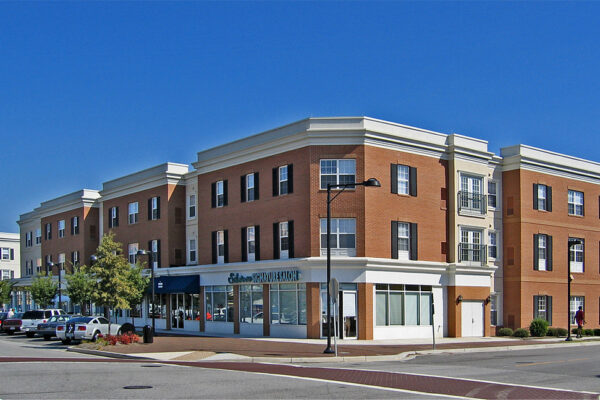
The pandemic has precipitated the want for many people to stay closer to home and live in more neighborhood-centric spaces. Commercial mixed-use property investors can provide this scenario to people who yearn for a small-town Main Street vibe of living.

Mixed-use commercial property can encompass any combination of retail, residential, entertainment, recreation, or park space. Once most common in cities, they are popping up more and more in suburban areas giving rise to easier access to more active lifestyles.

Consumers interested in these spaces are buying into the community feeling mixed-use buildings offer. Potential residents can imagine walking to the neighborhood cafe to get a morning coffee and chatting with fellow locals. Cup in hand, they walk back to their

home office until lunch, where they then can stroll to a favorite local restaurant for a quick bite to eat or even a take business meeting. It’s only lunch, and already the workday has the potential to be significantly less stressful.

Studies show younger demographics trending toward preferring a more walkable type of living, especially with traffic ever-increasing on major roadways. Short walking distances to shops, restaurants, and parks decrease reliance on cars while contributing to overall health by promoting physical activity. Convenience to stores and other amenities are significant benefits to senior populations as well.

Commercial investors benefit from diversifying portfolios and risk with mixed-use properties. In addition, typically, mixed-use developments offer more predictable income streams as well as long-term performance. These developments also allow for the benefit of more creative financing. Business owners who rent, lease, or occupy mixed-use properties profit from an instantaneous customer base with a high potential for repeat business.

Mixed-use properties encompass new, planned developments and the repurposing of old factories, warehouses, or shopping malls. The National Association of Realtors Research Groups’ 2020 Case Studies on Repurposing Vacant Retail Malls found: “Vacant malls contribute to urban decay, declining property values, and lower tax revenues. Because of these adverse effects, it is important that vacant retail stores are repurposed for other uses.”

Repurposing such developments is environmentally beneficial by saving the already dwindling availability of open land, reducing emissions, and adding a general sense of security to all those who live and work in the area.


Filed Under: Industry News

Commercial Real Estate Consulting Services

September 9, 2021 by bwadmin

Commercial real estate encompasses multiple property types including retail, office, multi-family and industrial. Each of these types has multiple nuances in understanding what is involved with buying, selling, leasing, investing and/or developing. Hiring a commercial broker or property manager as a consultant is of great value in guiding decision making, negotiations and more. Commercial real estate brokers go beyond deal making to assist property owners, investors, and municipalities by providing their expertise and advisory services.

What is a real estate consultant?

Commercial real estate brokers and property managers may offer their services on a consulting basis. A commercial real estate consultant has in-depth understanding and know-how regarding market conditions, as well as industry knowledge and tools that allow them to provide advisory services related to commercial real estate.

What does a real estate consultant do?

A real estate consultant can provide an array of services based on the needs of the client. Here are some of the most requested consulting services provided by commercial real estate brokers and property managers:

  • Strategizing short and long-term goals for investment property
  • Recommending highest and best usage based on gap analysis of a given market.
  • Structuring leases to maximize the value of a property
  • Market research to determine the current lease rates for similar buildings in a market area
  • Developing pricing strategies based on current market research
  • Reviewing existing leases and advising clients on preferred terms when renegotiating and/or extending leases
  • Projecting the overall value of building with optimized leases
  • Monitoring market conditions and advising clients on the current estimated market value of their asset

Why do I need a real estate consulting service?

Individuals, businesses, and municipalities have all come to realize the value of using a real estate consultant to navigate complex real estate deals, property development, and negotiations. Enlisting a consultant early on can lead to fewer issues down the road and provide optimal results at the project’s end.

What are the benefits of having a commercial real estate consultant?

Commercial real estate consulting services offer the benefit of making an informed decision. As we often do when faced with things that are beyond our own scope of knowledge, we contact someone that has that knowledge, experience, and the tools to provide the information we need to make educated decisions and optimize value.

Filed Under: Industry News

Growing Commercial

August 5, 2021 by bwadmin

Green roofs are a relatively new phenomenon, first utilized in Germany in the 1960s. Since then, two groups of green roofs have emerged – intensive and extensive, and each has varying degrees of usage and cost.

Intensive roofing requires more soil and, therefore, a stronger underlying building structure. The upside of intensive roofs is they can provide a wider variety of uses such as growing food, recreation, or providing open park-like space. Greenery can include anything from ground covers, flowers, shrubs, and even trees. Features such as ponds, benches, tables, and walking paths can also be added to increase useability.

Extensive green roofs require a thinner soil depth, fewer soil layers, and therefore less maintenance. Planting options tend to lean to the low-maintenance plants such as drought-tolerant grasses or succulents due to their shallow root systems. Extensive options may not be as aesthetically appealing and lush as intensive roofs; however, they are more pleasing and more functional than their asphalt or shingled roof predecessors.

A few reasons why green roofs make good neighbors in a community:

  • Reduces heat
  • Improves air quality
  • Adds oxygen
  • Reduces the risk of flooding and sewage overflows
  • Increases plant and animal biodiversity
  • Working or living near green environments enhances the quality of life

Green roofs improve commercial property directly by:

  • Increasing property value
  • Adding to building aesthetic
  • Possible tax advantages
  • Ability to add usable square footage to your property
  • Lower monthly energy costs

Green roofs cost twice as much as ordinary roofing; however, they last two to three times as long as traditional roofing because the vegetation and water barrier act as protectants from extreme heat and cold. Combined with the monthly energy saving costs to your heating and air conditioning bills, innovative roofing may be something worth digging into. A little more green upfront will lead to years of cost-saving benefits.

Filed Under: Industry News

Red, White, and Drive-Thru

July 13, 2021 by bwadmin

If asked to name the top five words synonymous with July, most people would answer ‘hotdogs, hamburgers, apple pie, and fireworks.’ Drive-thrus may not be on the list, but they have been an American staple since the 1950s. They also happen to have their very own day every July 24th as restaurants across the nation celebrate National Drive-Thru Day.

We have the iconic burger restaurant, Jack in the Box, to thank for this not-so Hallmark holiday. From the inception of drive-thrus during the 1950s to their 1970s insurgence, drive-thrus have taken on various degrees of importance culturally. According to the National Museum of American History, drive-thrus took off in the 70s due to increased single-parent households, an influx of people working outside the home, and more after-school activities.

While most drive-thrus are for fast food, recently, many formerly eat-in-only establishments have seen the value in offering their patrons more ways to access their menus. The use of mobile apps and online ordering has helped these businesses find innovative ways to remain steady.

Covid-19 has affected permanent changes in many restaurants. In the midst of and post-pandemic, while keeping safety top of mind for employees and patrons alike, drive-thrus have offered a viable option to provide social distancing, per the CDC, while still being able to serve their fares while many establishments were on lockdown.

Widespread revisions have included:

  • Adding more drive-thru lanes.
  • Walk-up windows.
  • Designated curbside pickup spots.
  • Eliminating indoor dining spaces.

Businesses have found phasing out dining rooms has added increased benefits to their bottom line. Eliminating table cleanup frees up staff time; drink refills are now a nonexistent cost, and trash pick and expenses are also less, to name a few. Businesses that will make these changes can focus more on product quality and output, especially if the reclaimed space is utilized to add another kitchen or more prep and assembly space.

For those looking to start or build a restaurant soon, a new normal may be smaller building footprints and more outdoor space to accommodate extra drive-thru lanes, curbside delivery, or even more patio dining. However, whatever the size, it’s pretty clear that drive-thrus are here to stay.

Filed Under: Industry News, News

Commercial Real Estate Investment 101

June 21, 2021 by bwadmin

Commercial real estate encompasses multiple property types including retail, office, industrial, multi-family and special use properties such as storage facilities and hotels. You may also see the term mixed-use which refers to a property with a mix of different uses such as first floor retail with apartments on the upper floors.

What is an investment property?

Investment property is real estate that is purchased as a means to generate income most commonly by the rent paid by tenants. Other times a property may be purchased with long-term goals in mind. For instance, a property that has a significant amount of vacancies that need to be filled to make it profitable is referred to as a value add investment. These properties are purchased with the intent to build value over time by filling vacancies and then either maintaining the property or selling it for a profit.

Why invest in commercial real estate? 

One of the biggest draws to commercial real estate investment is long-term leases. Commercial leases tend to run for multiple years rather than the one-year term typically seen in residential rentals. But several variables affect commercial real estate investment such as location and timing, percentage of occupancy, terms and conditions of the leases, creditworthiness of tenants, guarantors, and more.

How to evaluate a commercial real estate investment.

There are several factors used when evaluating commercial property investment; namely net operating income, capitalization rate, and cash flow or cash on cash return.

Net Operating Income is the revenue minus the operating expenses. Operating expenses can include items such as insurance, property management fees, landscaping, snow removal services.

What is CAP Rate? Capitalization rate, which is often referenced as CAP rate is obtained by dividing the net operating income by the sales price. The CAP rate is the expected return the investment property will make. What is a good CAP rate? The higher the CAP rate the better.

Cash Flow or Cash on Cash Return is net operating income divided by the total cash investment.

What is the best type of property to invest in? 

The best option will always depend on the investors’ objectives and current market trends. With all the intricacies involved in commercial real estate investment, it may seem daunting and overwhelming to start the process. Luckily there are commercial real estate brokers that specialize in investment properties.  They can guide you through the process of choosing a property type that matches your investment goals and desired level of involvement.

How to find commercial real estate investment properties? 

Working with a commercial real estate broker to find commercial properties puts an investor in a great position. Commercial brokers utilize their networks, industry tools and often know of properties that have not yet hit the market giving the investor an advantage when locating an investment property.

Filed Under: News

Opening A New Restaurant? Things To Consider

June 8, 2021 by bwadmin

The process of looking for a commercial space to establish a restaurant can be a daunting experience under normal circumstances, let alone post a global pandemic. Interestingly, as many people’s habits changed drastically last year, so have their career aspirations. “We have seen a lot more first-time tenants that used the pandemic to consider finally starting their own business,” attests Rich Bowden, a commercial broker with Caton Commercial Real Estate. Savvy prospective tenants will consult with a professional to help navigate their new venture step-by-step.

Deciding on a budget is an important first step in narrowing your search for a commercial restaurant space. “Many tenants I speak with are looking for the best deal bottom line,” said Bowden. “But they don’t typically know the true definition of what the best deal really is.” In addition to the investment of a physical structure, there are the costs of utilities, insurance, and taxes to keep in mind. A good broker can help you negotiate not only the price of your lease but lease term, rent abatement, tenant improvement allowance, and more.

Everyone has heard the three words synonymous with real estate valuation are location, location, location. Here are a few additional questions to consider:

  • Is the structure large enough to accommodate the number of patrons you’re targeting?
  • Is an outdoor dining space required or feasible?
  • How visible is the location, and will it draw enough traffic?
  • Is there ample parking and, if necessary, dedicated spaces for carry-out orders?
  • Will you need a drive-thru window?
  • Does the space allow for expansion?
  • Will the neighboring establishments complement your business?
  • Will the building satisfy all safety compliance and health codes?

All these are important considerations. Additionally, as the typical lease can last three to five years; you will want to make sure your space can grow with you.

Before signing on the dotted line, it’s imperative to have a quality broker to rely on. “We help you get the best terms on the best locations for your business,” said Bowden. Commercial brokers are assets in pointing out the information you as the client may not otherwise know. In addition, if possible, speak to the landlord in person to assess if this is someone you can have a working relationship with. Dealing with a level-headed landlord can make all the difference in how smoothly issues are handled once you’re up and running. Chances are that your broker will have insider knowledge regarding the landlord and will be able to help with the vetting process.

While these first few steps are just a small sampling of all the decisions you will have to make; it’s a good foundation for you and your broker to begin a search. For more assistance with commercial real estate, review our list of properties and reach out to our agents to assist you as you launch your new venture.

Filed Under: Retail, Tenant Representation Tagged With: Real Estate

Why Hiring a Management Company is Key to Investment Property Success

May 18, 2021 by bwadmin

Far from being a “hands-off” investment, income-producing properties require constant attention to both maintain and increase their value. A property manager’s focus is on achieving ownership’s goals and maximizing the property’s return. By taking on day-to-day tasks such as rent collection, tenant relations, property maintenance, reporting, and even leasing, property managers can be a valuable resource to property owners and their tenants alike.

What does a Property Manager Do?

Tenant Relations – A property management company works with tenants from move-in to move-out and handles everything in between. They are the eyes and ears for the property and ownership, maintaining relationships with tenants and handling concerns on behalf of the owner. Their professional services help retain quality tenants through their responsiveness and ability to offer solutions.

Who Collects the Rent?

Rent Collection – A key to the success of any investment property is the on-time collection of rent. Property managers work to make the rent collection process as simple as possible for tenants using the latest software and technology. They will collect rent and pursue any delinquent rents. They will also assist with the eviction process if necessary.

Who Do Tenants Call?

Property Maintenance – Routine property inspections are performed to ensure the general condition of the property and the manner in which tenants are maintaining their spaces. In the event of emergencies, a property manager fields emergency calls and will arrange and oversee repairs and maintenance by hiring qualified insured tradespeople.

Quarterly and Annual Management Reporting

Financial Reporting – A professional property management company will utilize the latest software in order to remain up-to-date with all aspects of the accounting requirements. They will also provide regular reports to the property owner, which makes tax time easier for ownership.

What if a Tenant Leaves?

A professionally licensed property management company can help owners locate, screen, and secure quality tenants for vacancies that arise. From lease negotiations to tenant move-ins, property managers

can ensure that build-outs are completed timely, required permits and other documents are received, and the space is delivered to everyone’s satisfaction.

Why Should I Hire a Property Manager?

Perhaps the most important benefit of hiring a property management company is the peace of mind it provides to owners, knowing they have a team of professionals relieving them of day-to-day tasks. With their pulse on industry best practices, risk mitigation, the latest technology, and networks, a professional property management company is truly essential to the success of an investment property.

Filed Under: Caton News, Property Management

Property Management: A Property Owner’s Partner

April 28, 2021 by bwadmin

The property owner and property manager are partners in maximizing the return on investment of a property. The management company acts in the best interests of the owner to maintain the property, keep it occupied with quality tenants, collect rents, budget improvements and maintain records.

Marketing and Financial

property-manager-and-property-partnerCommercial and residential property management involves an understanding of operating expenses, budgeting and the best approach to marketing. The management company knows appropriate rental rates and will set the rates according to the current market to effectively fill vacancies.

Property Managers will recommend marketing programs, special promotions and other advertising strategies to the owner in order to maximize occupancy and rental rates. In addition, regular financial reporting including financial statements, profit and loss, income taxes and budgeting are all crucial in maintaining the partnership with the property owner.

Tenant and Occupancy

Understanding the needs of the tenants is an important function of property management. Tenant occupancy is only the beginning. The property manager must respond to the tenants’ requests, monitor their activities in relation to their lease, collect rent in a timely manner, and continually assess the tenants’ satisfaction with the property. The unwelcome task of eviction for violations or non-payment is part of this function as well.

Property management also involves the physical management of the structures and common areas. Landscaping, electrical, plumbing, roof, walls, and much more are all part of the physical property. The property manager must maintain relationships with contractors and repair companies, budget capital expenditures, and monitor the quality of all repairs and maintenance.

As some improvements will require significant capital expenditures budgeting for them is an important part of good management.

Management Reporting

Federal, State and local governments all have some jurisdiction over real estate property management activities. Certain reporting requirements must be met and meticulous records for accounting and taxes are a must. There are very rigid requirements in most states for the handling of funds paid by renters for disbursement to owners.

The benefits of a partnership with a professional property management company will more than make up for the cost of services.

Filed Under: Caton News, Property Management Tagged With: property management and property manager

COVID-19 & Commercial Real Estate: What will 2021 look like?

April 14, 2021 by bwadmin

As businesses continue to shape and implement their office reentry plans in Q2 2021, there are many signs of resilience and renewal. The hard lessons learned through a year of severe loss and disruption are guiding decisions to lease office space, open new retail concepts, and find the best warehouse locations for last mile delivery. With the “post-pandemic normal” coming into sight, what will drive commercial real estate and brokerage services activity in the months ahead?

COVID-19 & Commercial Real Estate

Among the significant shifts in the Chicago market during the pandemic has been the outward migration to the suburbs for housing and, on varying levels, office space. As the pandemic wore on in mid-2020, many urban dwellers looked to the suburbs for an expanded housing footprint and escape from the congestion. Similarly, some office tenants leased satellite space away from the city to help employees spread out in office campuses with multiple entrances, wide atriums, and plenty of outdoor space or single-story properties with private entryways, bathrooms, and kitchens. These satellite office alternatives provide an environment that is closer to home and more suitable for a pandemic environment.

commercial-real-estate-and-pandemicThese outward migration trends are being seen across many markets nationally. While these transitions were big topics of discussion in 2020, they had established roots long before the pandemic, with Millennials being well into the family formation life stage. The dynamic shifts due to the pandemic also exacerbated the phenomena of Baby Boomers, who are at the opposite end of that life cycle, early retirement relocations, not only driven by the pandemic, but more interestingly, a preference of, or need for, a rental lifestyle.

The surge in home buying has continued into 2021, pushing home sales up by 18 percent across the nine-county, metro Chicago area in January and February. And, there are signs that some of these patterns will stick around and fuel activity in the retail, restaurant, and related sectors in the post-pandemic world. Brokers who can support clients in aligning business plans with high growth consumer population centers and burgeoning downtown mixed-use areas will be well positioned in this environment. One example is the recent development and lease up of Central Park Place in Downtown Naperville, IL, boasting luxury condo living with new-to market retail concepts: Sweetwaters Tea & Coffee, The NOW, and James & Sons Fine Jewelers.

How-commercial-real-estate-is-doing

Among the other trends to watch for 2021 are:

  • Flexibility in office space utilization — an important consideration as brokers’ work with commercial real estate tenants with evolving plans for in-person and hybrid work schedules.
  • A continued surge in industrial space usage, which will require brokers to actively seek out niche suburban locations near transportation corridors that can support e-commerce.
  • More reinvention in the retail sector as new concepts emerge and existing ones fine-tune their approach and prepare for a growth in consumer spending.

Filed Under: COVID-19, News Tagged With: covid 19, covid 19 and commercial real estate, covid impact on real estate

Senior Vice President, Brian Blackmore of Caton Commercial Closes $21.3M in Transactions in 2020

March 5, 2021 by bwadmin

Caton Commercial Real Estate Group’s SVP Brian Blackmore thrives despite the challenges of 2020 with the completion of 26 commercial real estate transactions across nine states. The transactions were completed by Brian Blackmore and Sandy True of Caton, and cooperative brokerage partners in each of the nine states.

Caton Commercial Real Estate- Staff Pictures

Blackmore’s ability to cultivate strong client and cooperative brokerage relationships contributed to the team’s ability to successfully navigate multi-state assignments. “When looking for properties for clients, I examine each transaction as if I were the owner or investor,” Blackmore said. “I give our clients 110 percent and all the information they need to make a sound business decision. I would rather they not make the deal than make a poor decision.”

The transactions involved medical office, land, gas and convenience stores, including several Dunkin and Wingstop franchise locations in Michigan, Ohio, Indiana, Missouri and Louisiana. In Orlando, Fla., the Blackmore team represented a national retailer in the purchase of two land sites. The two sites sold for nearly $3 million and will be converted into two 4,400-square-foot gas station and convenience stores.

“Brian Blackmore and his team have achieved considerable success representing nationally recognized retailers, developers, owners, and investors,” said Bill Caton, CEO of Caton Commercial Real Estate Group. “Brian’s extensive development background and focus on client service has propelled him into a position where he is frequently called upon to represent clients in development-focused complex transactions.”

Sixty percent of Brian’s transaction volume was generated in Illinois with the other 40% being out of state.
Among the trends Blackmore is seeing in the marketplace are:

  • Medical office users expanding and repurposing existing retail or office buildings to convert into community-based surgery or general medical centers. These facilities are designed to support the localized healthcare needs of growing populations. They also offer an efficient means for repurposing vacant commercial sites or those with obsolete businesses, thus increasing the tax revenue without lengthy rezoning processes.
  • Growth in the gas station and convenience store sector, as retailers look to fill a demand near growing population centers. Land sites are challenging to find in many markets.

“We continue to see a strong demand for medical office properties that can support growing population bases that require localized healthcare delivery,” Blackmore said. “In many markets where land sites are challenging to find, we are working on adaptive reuse of older retail or office properties. This approach helps convert obsolete commercial properties into more viable uses, supporting the local community and boosting tax revenue.”

Blackmore has more than 25 years of experience in commercial real estate and residential development, where he has specialized in the acquisition and disposition of raw and developed land as well as other bank-owned properties. He has successfully developed land projects of 40 to 400 acres, with his development services encompassing due diligence, budgeting, permitting, engineering, contracts, site development, municipal relationships, and project punchout

Contact Brian Blackmore today to discuss your commercial real estate needs.

Caton Commercial Real Estate Group has been a trusted name in commercial real estate in the Chicago market for more than 30 years. The company is known for its in-depth market knowledge and focus on providing strategic services to guide clients through all stages of the commercial real estate process. The firm has extensive expertise in tenant and landlord representation, property management, investment sales, and land sales and development for tenants in the retail, industrial, office, and hotel sectors. Based in Naperville, Caton Commercial is a family founded business which provides its clients with trusted advisory and intelligent solutions and who’s team members pride themselves on a dedication to giving back through support and involvement with various civic and community organizations.

Filed Under: Caton News, Industry News Tagged With: caton commercial president

Increase Investor Profits with Professional Apartment Property Management

February 12, 2021 by bwadmin

Apartment investors purchase property with the goal of generating income. There are two sides to income generation for an investment property. First, the owner can take a share of the annual operating profit generated by the investment, and second, the owner may profit from increasing the market value of the property beyond inflation alone.

Increasing the income generation and market value of a rental property requires a certain level of know-how, an understanding of market values and excellent management skills.

Management and Income

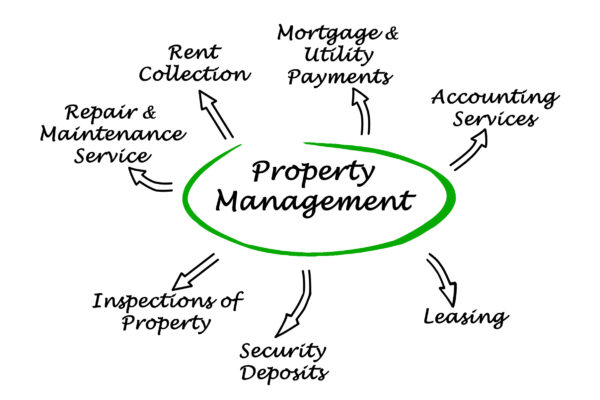
Professional property management is key to increasing and maintaining investment profits. Property management services include rent collection, routine inspections, repairs and maintenance, leasing, budgeting, financial reporting and more. All of this requires “hands-on” experience in the field and the latest in property management technology to optimize convenience for tenants and streamline communications.

Investment Property Valuation

The valuation of a rental property is based directly on the cash return, therefore adding value means increasing cash flow.

When evaluating apartment properties, professional property managers can help in two ways:

First, using a property manager to assist in the evaluation of a property prior to purchase can put you in a position to move quickly before other buyers have a chance to evaluate the investment. Property managers can inspect a property to inform you of the current fair market rental rates and a property’s fair market value based upon the current property condition. They can also advise you of any refurbishments or maintenance items that can attract higher quality tenants, as well as any safety issues you may need to consider in relation to risk management.

Secondly, property managers can assist in the due diligence process by performing lease file audits, review financial reports, coordinate physical property inspection, assess deferred maintenance and determine if capital improvements are necessary, provide a local market survey and assess current property operations. A feasibility analysis can measure the ability to add value. There may be many other measures that must be taken into consideration, such as, applications for new zoning, design and construction planning and a plan for marketing. A skilled property manager can assist with all of these. Their day-to-day experience in the market makes them experts that can quickly and efficiently provide insight into investment properties.

Contact Caton Property Management to maximize your apartment investment property today!

Filed Under: Caton News, Industry News, News Tagged With: professional apartment property management, property management

Caton’s Christina Caton Kitchel Voted Chair-Elect of NACC

January 26, 2021 by bwadmin

Caton’s Christina Caton Kitchel Voted Chair-Elect of NACC

Caton Partner and Senior Vice President of Retail Christina Caton Kitchel was voted Chair-Elect by the Naperville Area Chamber of Commerce. Her term will start in January of 2022. Christina has served on the board since 2018 and was the former chair of Team B2B. in addition Christina has been active on the Chamber’s Business Works Committee, NACPAC and Legacy Circle. She is currently the co-chair of the Candidate Review Committee and the Family Business Roundtable.

As one of the largest Chambers in Illinois, the NACC prides itself on bold-thinking and pushing past outdated agendas to uncover the tools and know-how needed for business growth and development. The Naperville Area Chamber of Commerce has one goal: to move business forward toward an engaged, thriving community by being an advocate and resource for the community. NACC is 5-star Accredited from the U.S. Chamber of Commerce, an honor bestowed on only 1% of Chambers nationwide.

Christina is committed to working with the Chamber staff to continue to stay relevant to member businesses and to support the community. With over 12 years of experience in commercial real estate, retail leasing, investment sales, and ground-up multi-use commercial property development, Christina brings to the table her business savvy and a drive to get things done. Christina, along with Caton Partner Steve Caton, are handling the leasing of the retail and restaurant space at Central Park Place in Naperville. They have secured leases with Sweetwater Coffee & Tea and The Now, a California based wellness company that chose Central Park Place as its first location in Illinois.

Read the full article published in The Daily Herald here:

Filed Under: Caton News, Industry News, News Tagged With: nacc

Bill Caton Featured In Heartland Real Estate Business

January 13, 2021 by bwadmin

Bill Caton Featured In Heartland Real Estate Business

Bill Caton, CEO of Caton Commercial Real Estate Group, was one of several commercial real estate industry leaders to contribute to the Heartland Real Estate Business article “How Brokers’ Roles Evolved in 2020”. The COVID-19 pandemic caused hardship and uncertainty throughout the year, these brokers found ways to adapt, build and expand their businesses to meet the changing needs of the market and clients. Bill Caton, having survived the recession of 2009, made a commitment to position the company do more than just survive the pandemic by focusing on expansion. This led to biggest initiative of 2020, the strategic alliance of the Dolan & Murphy Team, which grew the team of brokers to 23 and added a third Caton office in Aurora, IL.

In addition, there were many transactional successes including the leasing of two spaces in the new development Central Park Place in downtown Naperville. Sweetwater Coffee & Tea and The Now joined the development with plans to open in 2021. The Now chose Naperville as its first location in Illinois, expanding from Santa Monica, California. Caton Commercial Partners, Christina Caton Kitchel and Steve Caton, CCIM, continue negotiations on the final retail space and the future restaurant space that includes an expansive 1,412 SF patio.

Within the commercial real estate industry there are many examples of creativity, evolution and camaraderie that stood out during these challenging times. Read the full Heartland article for more insights on top transactions, lessons learned, and outlooks for 2021

READ FULL STORY

Filed Under: Caton News, Industry News, News Tagged With: heartland real estate business

Caton Commercial Real Estate Featured in Aurora Beacon

December 18, 2020 by bwadmin

The City of Aurora has approved a contract with Caton Commercial Real Estate to handle the leasing of four downtown Aurora properties. The contract between Caton and Invest Aurora, the city’s not-for-profit development arm, is aimed at finding tenants that match the city’s master plan for the downtown. Caton was chosen from five commercial brokers because of its understanding of downtown. Previously Caton secured a lease with Amy Morton’s Stolp Island Social in the Aurora Arts Center.

Click here for the full article on Caton’s feature in the Aurora Beacon.

Filed Under: Caton News, Industry News Tagged With: aurora properties

Caton’s COO, Amy J. Hall Receives Connect Media’s Women in Real Estate Award

December 18, 2020 by bwadmin

Connect Media’s Women in Real Estate Awards honor the achievements and inspirational stories of women who have reached respected positions of leadership and play key mentorship roles for others. Amy’s role as a motivator and encourager of individual and professional growth is just one of the reasons she was chosen as one of the 2020 Women in Real Estate Award winners. Since the onset of the COVID-19 pandemic Amy has been tireless in her efforts to support brokers, staff, clients and the company as a whole. Her leadership and ability to evaluate the onslaught of information to assist the firm through the chaos and help people navigate the maelstrom of unprecedented events and issues have been and continue to be invaluable. Click here for Amy’s feature in Connect Media!

real-estate-award-caton-amy

Filed Under: Caton News, Industry News

Caton Commercial & Dolan and Murphy Create Strategic Alliance

December 9, 2020 by bwadmin

Two long-standing Chicagoland commercial real estate firms have created a real estate strategic alliance to meet the growing needs of commercial real estate occupiers, landlords and investors. Daniel T. Dolan, President of Dolan & Murphy, Inc. and Bill Caton, CEO of Caton Commercial Real Estate Group, announced that the two family-founded companies will leverage their depth of industry knowledge, brokerage expertise, and client relationships as a collaborative team. They will operate and continue to grow market presence under the Caton Commercial company umbrella. Read more about this real estate strategic alliance.

strategic-alliance

The move will afford the combined teams of 23 real estate professionals the ability to leverage the specialties of each firm and maximize their multiple affiliations and resources to support client goals on local, state, national, and international levels. Daniel T. Dolan, Brian K. Dolan, Ryan J. Dolan, Daniel J. Dolan, and JD Dolan will join Caton’s 17 top commercial real estate brokers as the Dolan and Murphy Team. “This effort has taken shape over the past 12 months and the result combines our team’s 180 years of collective experience with that of Caton’s,” according to Brian K. Dolan. Cheryl Kessler, Administrative Director, and Kayla Steiner Graw, Administrative Assistant, will continue to support the efforts of the Dolan and Murphy Team.

Both teams have extensive experience in the Chicago suburban market, specializing in the retail, multi-family, office, land, and industrial sectors, with an extensive focus throughout the west suburban marketplace. In addition, Caton Commercial expanded to downtown Chicago in 2018 with its co-living project Quarters.

The Dolan-Murphy/Caton alliance supports several long-term initiatives: creating a comprehensive Industrial Services Division to assist landlords, tenants, and investors; expanding the depth of services to retail businesses as they reposition in today’s evolving retail and e-commerce environment; and expanding Caton’s existing Property Management Services division. “The significant expansion in e-commerce, logistics, and manufacturing creates a need for strategic commercial real estate partners to help businesses navigate this fast-paced environment,” says Brian K. Dolan. “By leveraging our collective industrial knowledge and depth of relationships in this important sector, we are well positioned to deliver strong results for clients and continue to grow our market share.”

Located in Aurora, Dolan & Murphy entered a milestone of 55 years in business in 2020. Founded by Daniel D. Dolan, who passed away earlier this year, the company has been a leader in the western suburban commercial real estate sector, with specialization in a variety of industrial, land, and investment sale transactions.

Caton Commercial is based in Naperville, with a satellite office in Chicago’s west-loop. Since 1982, the firm has served the western and southwestern suburban real estate market. Caton’s team of top CRE industry leaders is known for its in-depth market knowledge and being “trusted advisors” in guiding their clients through all stages of the commercial real estate process, whether it be retail, developer representation and land sales, mixed use and multi-family densification, suburban office, investment sales transactions, or international client representation.

“We are extremely excited about the addition of the Dolan and Murphy Team to the Caton family of companies. We share similar business cultures and values, and we see this as a natural extension to our business and growth strategy,” shared Bill Caton, CEO of Caton Commercial Real Estate Group.

Looking toward 2021, Caton Commercial with the Dolan and Murphy Team expects to see continued business in the Chicagoland market overall and particularly in the west suburban marketplace. “By extending our footprint farther into the Fox Valley Corridor with this new alliance, we are well positioned to support the needs of growing businesses as they contemplate how real estate-related decisions can support their long-term goals,” says Caton. “We are in a unique position to help retail and industrial businesses as they each navigate the nuances of e-commerce expansion and the need to continually rethink the retail experience.”

real-estate-strategic-alliance

Filed Under: Caton News, Industry News Tagged With: real estate alliance, strategic alliance

How To Improve An Investment Property’s Profitability With Property Management

October 13, 2020 by bwadmin

Property owners invest in real estate for profit. With effective property management, owners can earn a good return from one property or from a portfolio of properties. However, a certain property may have been acquired for an upgrade, to produce income later, or intended for future sale for a capital gain. Either way, the investment must be managed, considered, and watched at all times. If the owner and property manager are taking care of business, there may be ways to increase the income and the value.

Owners of portfolios of stocks and bonds meet with or call their stock broker often. It makes sense for real estate investors also to meet with their property manager quarterly or bi-annually. Exchanging ideas with the professionals who have the daily pulse of the real estate market can be profitable. At each meeting, the investor can plan on finding out the current market conditions that will have an effect on equities that are owned or that can be acquired.

The following are some questions and useful topics that can be discussed:

  • Are there ways that the management of the properties be improved? Can any current expenses be decreased?
  • How do our rent levels compare with the others in the immediate area?
  • Have there been collection problems–are all rents current at this time?
  • Is the current maintenance of the properties up to the best standards?
  • Has the planning department approved any zoning variances in the areas of my properties? Would it enhance the value of any property in the portfolio to apply for a change in zoning?
  • Have any new construction projects been started nearby? What are they and what effect might they have on my properties or rents in the area?
  • Is the present use of the properties the highest and best use?
  • Could improvements be made that would increase the income?
  • Are we attracting the kind of tenants that should be in this type of property? Would anyone else be more desirable?

When each of the questions has been covered, both the property owner and property management team will have a much better picture of the property and what needs be accomplished. This gives a result for the owner that is seldom achieved by many investment real estate owners. At all times, there is a definite effort being made by a top property management team to improve the owner’s position.

Filed Under: Investment Sales, Property Management

Why You Should Hire A Property Manager BEFORE You Invest

May 20, 2020 by bwadmin

Why You Should Hire A Property Manager While Investing  – Caton Commercial

The usual way that a property management company comes on the scene is when the owner of a building makes a contact. Often the owner has just acquired the property through purchase or exchange, then looks for a manager. Any questions about Property Management, contact Caton Commercial today.

However, if you are about to acquire an income property, consider contacting a property management company in advance. Their ability to estimate income and expenses and their keen knowledge of the market make a property manager a valuable asset during the pre-acquisition process. The property manager has the background necessary to provide significant assistance in determining both the location, desirability, and economic feasibility of a property. Learn more about how to hire a property manager below and why it’s a good idea.

Why Hire a Property Manager? Property Inspection And Evaluation

When evaluating a property, have a property manager perform a comprehensive inspection of the physical property, thoroughly review current leases and past maintenance records, and, when appropriate, talk with the on-site staff, and current tenants and neighbors.

Preliminary market analyses and pro formas should be completed during the pre-acquisition stage to determine the property’s operating costs and to project possible investment returns. These analyses will help establish whether the property will perform according to the owner’s investment objectives, or whether the property is too risky for acquisition.

why-hire-a-property-manager

Analyze And Maximize Rent Structure

When the property is acquired, the property manager can determine what can be done with the rent structure. The goal will be to increase the rents to market levels and maximize value. Tenants with leases can not be given rent increases if their leases prohibit them, but the rent for vacant space or for the property with expiring leases may be increased.

Today’s investors in commercial real estate must have a grasp of market conditions and investors need assurance about the true condition of the property and its potential. With increased competition, the market place is becoming more complicated. As your professional commercial real estate management advisors, we are in the position to help you in making a more educated decision in real estate transactions. With this kind of information when considering a commercial property, planning is better and there is less chance for error.

Filed Under: Property Management Tagged With: hire a property management, property management

The Importance of Good Stewardship During COVID-19

April 2, 2020 by bwadmin

Commercial Real Estate During Covid-19

As we watch conversation threads unfold online, and in groups regarding the current pandemic, we are reminded how essential it is that each of us grasps the gravity of the responsibility we have as leaders to guide people well during these uncertain and turbulent times. No matter how well-intended, our opinions, assumptions or our “interpretations” of many of the topics being discussed today can breed misinformation and erroneous guidance.

It is paramount that, to the best of our ability we share facts and verified data, legitimate resources, and both seek and recommend legal counsel. Within the commercial real estate industry, the future values of clients’ properties will be impacted by the decisions they make today. The pandemic is creating situations that require very difficult decisions, and it is our job as trusted advisors to guide clients, to make educated decisions.

Regardless of the line of business, you are in, teams and clients/customers look to those in leadership positions to lead them thoughtfully and honestly. There is a great quote “The quality of my decision is directly proportionate to my patience with my not knowing.” -Unknown. Whoever this unknown sage is, couldn’t be more correct. We have to slow down long enough to examine the recommendations being made and the potential impact they are going to have on our circumstances going forward, not three months from now, but three, five, or ten years from now. This is the long game. We must treat every decision like it matters because it does.

As we adapt to challenging times together, we are called on to give good, sound and informed guidance to those who count on us. As a commercial real estate brokerage and property management company we are now called to help property owners navigate the overwhelming number of relief requests they are receiving from tenants. We are here to assist them in looking at the benefits and differences between rent deferrals and rent abatements, for example, so we must do our best to educate ourselves as this situation unfolds. There are similar examples for every industry in which we serve as advisors to others.

We are in this together, the entire human race. This epidemic is no respecter of race, border, or class. It is not an economic issue; it is a human issue that is impacting our economies and the entire way of life. At this time, we have a great opportunity to rise to the occasion of being leaders, of being the example of the human spirit’s capacity to care for one another as we all learn how to move our lives and our businesses forward through this life-changing time. We must rise to the occasion.

View Caton’s COVID-19 Resource Guide.

Filed Under: Caton News, COVID-19 Tagged With: covid 19 news, real estate in covid, Real Estate News

Caton COVID-19 Resources

April 1, 2020 by bwadmin

covid-19-information-resources

Covid-19 Information & Resources

During the current pandemic we are reminded of the importance of staying educated and seeking out the best sources for information. Which is why we have complied this list of resources to share with our clients and community.

STATE OF IL RESOURCES

• Illinois State Treasurer – Small Business COVID-19 Relief Program
• State of Illinois – Coronavirus (COVID-19) Response
• Illinois Department of Public Health – Coronavirus Disease 2019 (COVID-19)
• Illinois Department of Employment Security – Unemployment Insurance
• Illinois Department of Employment Security – COVID-19 and Unemployment Benefits

FEDERAL/NATIONAL RESOURCES

• Center for Disease Control and Prevention – COVID-19
• World Health Organization – COVID-19
• U.S. Chamber of Commerce – Coronavirus Aid, Relief, and Economic Security Act: What Small Businesses Need to Know
• U.S. Senate Small Business & Entrepreneurship: Guide to the CARES Act
• U.S. Senate: The Small Business Owner’s Guide to the CARES Act
• Small Business Administration – Disaster Loan Applications
• U.S. Department of Labor – Occupational Safety and Health Administration – COVID-19
• National Restaurant Association – Coronavirus Information and Resources

This is a very stressful situation and one of the least discussed impacts is to our mental health and wellbeing. While we require physical distancing right now, it is crucial that we retain our social connectedness and care for ourselves and one another in all ways possible.

COPING RESOURCES

• Calm.com – Bring Calm to your workplace
• Harvard Business Review – What Organizations Need to Survive a Pandemic
• Working Remotely During COVID-19 – Your Mental Health and Well-being
• World Health Organization – Mental Health in the Workplace
• Mental Health America – Mental Health and COVID-19 Information and Resources
• Mental Health Information For Disease Outbreaks
• Suicide Prevention Lifeline – Emotional Wellbeing During the COVID-19 Outbreak
• World Health Organization – Mental Health and Psychosocial Considerations
• Headspace.com – Weathering the Storm: Meditations, Sleep, and Movement Exercises
• National Alliance of Mental Illness – COVID-19 Information and Resources
• Harvard – Spiritual Resources During the COVID-19 Pandemic

Find all the Covid-19 Related Blogs Here!

Filed Under: Caton News, COVID-19

Open for Business

March 19, 2020 by bwadmin

Many of our tenant and property management client’s restaurant and retailers are working to meet the needs of their customers and communities. Please continue to check this page as a resource and join us in supporting these establishments as they remain open and operating for business. Here is a list of restaurants and businesses still open during this crisis.

AURORA

Thai Orchid Restaurant

www.ThaiOrchidAurora.com
Delivery through Door Dash
2460 S. Eola Rd, Aurora, IL 60503
630-692-1331
Mon-Thur and Sun 4pm to 9pm, Fri-Sat 4pm to 10pm

Maciano’s Pizza and Pastaria

www.Macianos.com
Delivery, Curbside Pick-up, Door Dash, Uber Eats, Grub Hub, and Slice
2460 S. Eola Rd., Unit A, Aurora, IL 60503
630-585-9700
Mon – Thur 11am to 10pm and Fri, Sat, Sun 11am to 11pm

BOLINGBROOK

Sesame Chinese Cuisine

www.SesameMenu.com
Carry-out, Delivery, DoorDash
1717 W Boughton Rd, Bolingbrook, IL 60490
630-226-6888
Tues – Thurs. 11:00am to 9:30 pm, Fri. – Sat. 11am to 10pm, Sun. 11:30am to 9:30pm

CREST HILL

El Authentico Burrito

https://zmenu.com/el-autentico-burrito-crest-hill-online-menu/
Drive-thru and Take Out Available
16143 Weber Rd, Crest Hill, IL 60403
815-830-3030
Everyday 9am to 11pm

La Michoacana

https://la-michoacana-premium-vp.business.site/
Will deliver
16141 Weber Rd, Crest Hill, IL 60403
815-524-7470
Everyday 10am to 10pm

Subway

www.Subway.com
Drive-Thru, Uber Eats
16111 Weber Rd, Crest Hill, IL 60403
815-838-6666
Everyday 9am to 8pm

Chicago Style Grill

Curbside Pick-Up, Grub Hub, Door Dash, and Uber Eats
https://www.facebook.com/Chicago-Style-Grill-Crest-Hill-101639524659333/
20645 Renwick Rd, Crest Hill, IL
815-630-2112
Everyday 10:30am to 8:00pm

LA GRANGE PARK

Subway

www.Subway.com
Take-out, Uber Eats, DoorDash
722 E 31st St La Grange Park, IL 60526
708-352-1483
Mon – Fri 10am to 8pm, Sat & Sun 10am to 7pm

LISLE

Manna Kitchen

https://mannakitchen.net/menu/
Curb-side Pick-up, DoorDash, GrubHub
630-536-8328
2801 Ogden Ave, Lisle, IL 60532
Tues – Sat 11:30am to 7:30pm

PLAINFIELD

Peter Rubi

https://www.peterrubi.com/
15412 Illinois Rte 59, Plainfield, IL 60544
(815) 733-6025
Mon – Sat 9am to 7pm, Sun 9am to 5pm
Order a Care Package for yourself or send one to someone:
https://peterrubi.myshopify.com/collections/boxes/products/snack-box

Would you like to Make an Offer on a Caton Commercial Real Estate Listing? Then click here to get more details.

Filed Under: Caton News, COVID-19 Tagged With: business in covid19

Caton Property Management Tenant COVID-19 Resources

March 18, 2020 by bwadmin

Covid-19 Relief Information & Resources

As the situation with the COVID-19 pandemic continues to evolve, Caton wants to provide you with all potential resources you can access for relief or pertinent information at this time. We are here to assist you in navigating this new business climate. Please find the following links for your convenience:

Health Related Websites

https://www.cdc.gov/coronavirus/2019-ncov/index.html
https://www.who.int/emergencies/diseases/novel-coronavirus-2019
https://www.dph.illinois.gov/topics-services/diseases-and-conditions/diseases-a-z-list/coronavirus

Small Business COVID-19 Disaster Relief Websites

https://www.sba.gov/offices/headquarters/oda
https://www.sba.gov/funding-programs/disaster-assistance
https://www.congress.gov/bill/116th-congress/house-bill/6201
https://restaurant.org/covid19
https://www.fundera.com/
https://www.lendingtree.com/

Office Place Preparedness Resource Documents

https://www.osha.gov/Publications/OSHA3990.pdf
https://www.osha.gov/SLTC/covid-19/controlprevention.html
https://www.irem.org/File%20Library/GlobalNavigation/Learning/IREMPandemicGuideMarch.pdf
https://www.who.int/docs/default-source/coronaviruse/getting-workplace-ready-for-covid-19.pdf

Business Insurance Policies

Another potential source of assistance is your own business insurance policy. You will need to reach out to your insurance agent to see if your plan contains coverage for the business interruptions faced by the COVID-19 pandemic and if your specific situation qualifies. Please seek guidance from your insurance provider as to how your policy might address this situation. Click here for more information.

Restaurant Operators – Redefining Services and Delivery Options

If you are a restaurant operator and do not currently offer delivery or even prepared meal options, you may want to consider these as potential business lines. Consider working with your existing wait staff to convert them to delivery drivers, or if that is not an option, working with third-party delivery services such as Uber Eats, Door Dash or the like. Here is a list of restaurants and businesses still open during Covid-19.

Uber Eats
DoorDash
Grub Hub
How To Start A Meals To Go Business

Retail Operators – Optimizing Online Sales

If you are traditional retail, how do you currently handle or look at online sales initiatives? Perhaps converting in-store sales staff to online influencers utilizing social media efforts to drive online sales, and potentially to be delivery drivers of product, where possible and practical.

These are incredibly challenging times, and they require strategic opportunity-focused thinking. The ability to be resourceful and adapt to the changing needs and demands of our markets is critical, as needs and demands will continue to exist but the ways in which they are met may look very different for a while.

If you have any questions, concerns or we can be of assistance, please do not hesitate to reach out to us. As always, we wish each of you and those you care for good health and continued well-being during this time.

Learn more about Covid-19 Here

Barbara Montes
Managing Director, Property Management
Barbara@CatonCommercial.com

Roger Chavez
Property Manager
Roger@CatonCommercial.com

Filed Under: Caton News, COVID-19, Property Management, Retail

Caton’s Response to COVID-19 – A Letter From The COO

March 18, 2020 by bwadmin

Here is a response to covid-19 from Caton Commercial’s Chief Operations Officer:
Dear valued clients & colleagues,

As we face unprecedented times due to the COVID-19 pandemic, we are moving forward with the recommended safety measures in which to conduct our day to day business in the coming weeks. As of 3/16/20, all Caton Commercial Real Estate team members will be observing work from home protocols. Our phones are being forwarded to our team receptionist and all calls are being handled live. We are, as always, available via email and your brokers are available via their cell phones. Our business practices are well suited to remote working conditions, so we want to assure you that your business interests are being attended to and we are conducting business as usual to the extent we are able.

The safety of our team, clients and the general public is paramount, so we are recommending observance of all social distancing measures put forth by the government and world health organizations of no physical contact (so no handshaking or even fist bumping), six feet or more distance between you and the person/people you are meeting with, frequent and proper washing of hands and use of hand sanitizer, and to not engage in in-person meetings if you are exhibiting any signs of illness. Our brokers will be using their best judgment when it comes to in-person meetings and showings. Despite these altered conditions, we are actively working to move your business transactions forward and to provide you with the resources you need to respond to these new conditions appropriately.

We are, as always, your trusted advisors, and we are here to assist you in navigating this new business climate. Please find the following resource links for your convenience:

https://www.cdc.gov/coronavirus/2019-ncov/index.html
https://www.who.int/emergencies/diseases/novel-coronavirus-2019
https://www.dph.illinois.gov/topics-services/diseases-and-conditions/diseases-a-z-list/coronavirus
https://www.sba.gov/offices/headquarters/oda
https://www.congress.gov/bill/116th-congress/house-bill/6201
https://restaurant.org/covid19

If you have any questions or concerns, please do not hesitate to reach out to us. We wish each of you and those you care for good health and continued well being during this time.

Sincerely,

Amy J. Hall

Amy J. Hall, CRRP, CRX, CLS, SLD Chief Operating Officer - Caton Commercial

Amy J. Hall, CRRP, CRX, CLS, SLD
Chief Operating Officer

815-436-5700

Filed Under: Caton News, COVID-19

Disaster Assistance Resources for Businesses

March 17, 2020 by bwadmin

Covid-19 Assistance Resources

The U.S. Small Business Administration has released their Disaster Assistance program in response to the COVID-19 outbreak in the United States. To read the full plan, view their release at the link here: Disaster Assistance Resources for Businesses

Filed Under: Caton News, COVID-19, Industry News, News

Leveraging Technology to Keep Business Moving Forward During COVID-19

March 16, 2020 by bwadmin

We have all bantered about the pros and cons, often more the cons than the pros, of our tech-dependent society. See how to stay healthy & maintain social distancing during the coronavirus by learning to leverage technology during covid-19. Now, during these unprecedented times, we can truly leverage the capabilities afforded to us through our world and businesses being so heavily connected virtually. We have the ability, and even the responsibility, to utilize technology to both promote, and potentially ensure, the safety of ourselves and others while employing the tools available to us to keep our businesses moving forward. You can read a letter from our COO, Amy here.

Video Conferencing vs. Conference Calls

The benefit of visual cues during conversation is not a myth, it is proven to aid in the productive exchange of information. Much can be, and is, lost in translation when we cannot see the person to whom we are communicating. Hearing inflection in another’s voice is certainly a step up from the very flat one-dimensional platform of text or email but coupled with visual cues of body language and expression, video conferencing provides the next best communication solution to in-person meetings.
Video or web conferencing is available to almost anyone with a smart device or computer with a camera and internet connection. Basic to elaborate options are available; Google Hangouts, Google Meet, Zoom, GoToMeeting, Trello, Slack, Skype, Cisco WebEx, Join.Me, Apache OnlineMeeting, and TeamViewer are just a few of the many platforms now offering video and web conferencing.

Team Communication Tools

The advantages found in tools like CRM and instant messaging platforms serve as a way for teams to stay connected and work together in real-time while observing normal remote officing, or now imposed remote officing situations due to necessary social distancing measures. Tracking deal flow, sales pipelines, client interactions, team progress and communication, in general, become more manageable through the integration and use of these platforms.

Salesforce, HubSpot, ZoHo, Sage, and Monday.com are a few industry agnostic CRM platforms that can assist organizations in leveraging the power of a customer relationship management tool, some of them even offer free basic solutions. Instant messaging and employee engagement platforms such as Slack, Trello, Blink, and Beekeeper provide real-time communication conduits.

Digital File Storage and Sharing

The days of needing to access physical paper files have been reduced significantly over the past two decades, whether due to sustainability initiatives to reduce environmental impact or an organization’s desire to digitize for ease of access. These initiatives have benefited and enabled companies to safely leverage the power of accessing their data from anywhere on the globe.
Dropbox, Google Docs, Microsoft OneDrive, and other cloud-based file storage and sharing platforms allow teams to remotely update, safe and collaborate on documents remotely.

Email Etiquette

Lastly, the highest engagement that we have digitally is through email. While this is one of the most challenging platforms by which to effectively communicate intent or emotion, it is the most widely used communication tool we have for communicating tasks and directives, general correspondence, follow up and feedback. Due to the propensity to utilize email as a first line of digital communication, we must ensure that we are using it responsibly. Email etiquette is both an art and science. It requires paying attention to tone when there is no allowance for inflection. It is being cognizant of providing context for all parties so a snapshot in time comment is not taken “out of context”. It is slowing down long enough to ensure that thorough and thoughtful direction has been given and that the question has been asked of the recipient “does this make sense, or do you need any further clarification”?

Our responsibility to communicate effectively, take other’s communication styles into account and respect others through our messaging does not merely apply when we are face to face. Employing these strategies is even more vital in remote/virtual communication, whether via email, instant messaging, document collaboration, phone calls or video conferencing. In order to truly maximize the technologies that enable us to move our businesses forward remotely, we must ensure that the strategies and qualities that make for exemplary in-person communication are not lost or ignored when we are behind a screen.

March 15, 2020 by Amy Hall, COO, Caton Commercial Real Estate Group

Filed Under: Caton News, COVID-19, Industry News, News

Is Your Commercial Building Secure?

March 3, 2020 by bwadmin

The problem of security is a major concern of owners or managers of office buildings or other commercial properties. There are many things to check both inside and outside of a property. Particular attention must be given to the perimeter of the property, as this is where an intruder will make the first contact.

For example, an office building should be inspected thoroughly all around the exterior to search for danger spots. No area should be overlooked because entry is possible from almost any point. The age, design, and location of a building will affect perimeter security. If the building was located in a suburban office park, using a functional but attractive fencing can make the grounds more secure. For a downtown high-rise, fencing would not be appropriate.

Older buildings can have more security problems because of the style in which they were built. Often there are street-level windows, exterior fire escapes, and operable windows. Each can increase the number of entry points that must be protected.

Specific Items To Check

Every building will be different, of course. Each will have to be checked, starting at a point and going around the property to return to that point. Here are some things that will always need to be checked carefully:

Fencing. If there is a fence around the building, is it just ornamental or will it actually protect the property? Are there any vulnerable spots? If there is no fence, is it feasible to install one?

Loading dock. How is the dock controlled during regular operating hours? After hours? What provisions have been made to ensure the loading dock’s proper operation? What personnel are involved? Are there procedures to control deliveries and removal of materials? Is the dock left untended at any time?

Windows, fire escapes, and roofs. Do any of these areas pose potential access problems? If any do, should new grates or locking devices be installed? Check on your local codes.

Entrances and exits. (pedestrian and vehicular). How many entrances and exits are there? Where are they located? What kinds of locks are used? Are the locks effective and who has the keys?  What are the hours of operation of each entrance and exit? Is there any kind of alarm system to signal when a door is open? Who responds to these alarms? Would closed-circuit television (CCTV) cameras be of value in any of these locations? If CCTV is used, are the monitors always watched? If there is a parking lot or garage, are the access routes safe?

Guard service. If there is a guard service, what are the guards’ assignments in regard to controlling daytime and after-hours traffic and patrolling the building’s perimeter?

Exterior lighting. Is there adequate lighting that can serve as a deterrent to crime? Do time clocks or light sensors control the lights?

Landscaping. Are there possible hiding places along routes to and from the building?

Filed Under: Property Management

Chicago Property Management Outlook – Early Engagement Drives Investment Success

February 28, 2020 by bwadmin

Early Property Management Program | Caton Commercial

Forward planning is a vital part of any property management program, as it helps ensure that everything from maintenance to vendor relationships to capital improvements are evaluated and properly managed. This same approach can pay big dividends during property due diligence prior to an acquisition — potentially saving an owner from serious pitfalls.

When brought into the acquisition process early, a thorough property management company can provide valuable intel on deferred maintenance, property tax issues, needed capital improvements, and other operational issues that can impact a property’s value. During the due diligence period, a property manager could review existing tenant leases and determine that there are certain co-tenancy clauses that allow a tenant to terminate their lease if an anchor tenant closes or that a tenant is owed a sizable future rent concession. That information can then be utilized to determine risk factor for the investor and can also assist during negotiations to secure pricing that reflects those operational risks.

A similar approach can support operational goals during a property repositioning. A property manager can assist in market evaluation and helping to determine which renovations will provide the biggest payback. They also can oversee the renovations, from reviewing bids to selecting contractors and overseeing the work to ensuring owners’ goals are met during the construction. This type of end-to-end property due diligence and management approach provides significant value and consistency for the ownership. It also provides tenants with a single source of contact for understanding how the renovations impact their business.

Tips for finding a Chicago Property Management Firm
When searching for a professional property management partner, owners should dig deep into understanding the company’s approach to management and due diligence. Look for a management company that will:

• Have the experience and credentials to successfully manage your investment property.
• Manage each property from an owner’s perspective, keeping a watchful eye on expenses, long-term budgets, quality of vendor workmanship, and the overall tenant experience.
• Always keep the owner’s best interest and investment goals in mind.
• Provide accountability, including regular reporting and detailed documentation on building maintenance programs, incident reports, service partner agreements, and other factors.

Filed Under: Caton News, News, Property Management

Quarters Announces Completion of Series B Funding

February 18, 2020 by bwadmin

–W5 Group leads new growth capital investment round–
–Management team strengthened and Rui Barros named new CEO–
–Quarters is taking its community offerings to the next level–

New York, New York – February 6, 2020 – Quarters Holding GmbH (formerly Medici Living Holding GmbH), the largest co-living operator in North America and Europe, announces the successful completion of its Series B fundraising. Existing shareholder, W5 Group, led the round, which was in the double-digit millions. “The new capital will accelerate Quarters’ growth as we expand our footprint in the United States and broaden our member services,” said Co-Founder and CFO, Ferdinand von Fumetti.

Rui Barros, the newly appointed CEO, who was previously the COO of Quarters, stated, “We are excited to further fortify our leading position in the industry. Our members enjoy the benefits of this innovative approach as we cultivate an engaging community in our state-of-the-art properties. This groundbreaking product provides tenants with a vibrant 24/7 live, work, play environment at an all-encompassing price and with the flexibility modern tenants desire.”

“We are thrilled that Rui is taking over the CEO position given his stellar track record. He has more than 30 years of experience in hospitality and operations at companies such as WeWork, Wyndham and Habitas. The new management will bring Quarters to the next level and particularly strengthen its position in the Unites States,” said Sebastian Gschwender, W5 Group’s head of private equity.

To further prioritize the expansion in the United States, Founder Gunther Schmidt transitioned from the CEO into an advisory role. “I have now founded two very successful companies, Quarters, the leading coliving operator, and eKomi, the leading consumer feedback company. I look forward to the next chapter in my career as well as supporting Quarters in reaching its full potential,” said Gunther Schmidt.

“We want to thank Gunther Schmidt for his vision and passionate stewardship that helped Quarters to become the dominant co-living operator it is today. As an industry pioneer, Quarters led the creation of this new asset class,” said von Fumetti.

About Quarters:

Quarters has 5,000 beds under contract in 19 cities across North America and Europe, making it the largest co-living operator. The company has several strategic partnerships that will accelerate the growth of the business.

About W5 Group:

W5 Group, the investment arm of the Winter family, has offices in New York, Miami and Switzerland and primarily focuses on opportunistic investments in the U.S. and Europe. Ralph Winter also founded CORESTATE Capital Group, one of Europe’s largest listed real estate investment managers with more than €28 billion in assets under management.

Filed Under: Co-living, News, Tenant Representation

Co-living Industry Primes for Growth in 2020

February 17, 2020 by bwadmin

Want to know the future of co-living in 2020? The co-living industry is creating a new way for millennials and Gen Z-ers to share space, gain flexible lease terms, and secure the amenities they want. It also is providing significant benefits to landlords in the way of cost savings and stable tenancy. As this market segment continues to expand across the U.S., operators are looking for ways to target markets, secure locations and build additional momentum. Learn Tenant Representation Here!!

Co-living spaces offer tenants, sometimes called members, the chance to pay rent for their bedroom, as well as a portion of the common space shared by two to four other members. This arrangement provides the advantages of lower rental expenses and flexible lease terms.

There are many nuances to operating co-living spaces, including how to identify expansion opportunities and work through lease negotiations. Operators often turn to experienced real estate professionals who can provide guidance on lease structures, real estate site selection, geographic growth opportunities and other considerations.

Understanding Landlord Leases

One interesting co-living growth story to watch is that of Quarters, which has multiple locations throughout the U.S., with one currently in Chicago and more in planning. Over the last eight years the company has grown to become the most established and the world’s largest co-living provider. As Quarters embarks on further expansion, the company turned to Caton Commercial Real Estate Group CEO, Partner and Managing Broker Bill Caton, along with brokers Steve Caton and Andy Velkme for assistance.

The Caton team is overseeing expansion into growing population centers in the central portion of the U.S. While the co-living industry is thriving in large metropolitan areas with large concentrations of Millennials, such as New York, Los Angeles, and Chicago, markets such as Denver, Austin and Salt Lake City are seen as additional growth markets.

One nuance to this market segment is the lease structure. Co-living leases are structured as landlord leases, which are master lease on the entire building or a large section of it. The co-living provider also helps reduce the landlords expenses by taking on a significant portion of the operational aspects of the building, including leasing, marketing, property management and accounting. The leases also have 10 year terms, providing the landlord with long-term stability.

Real Estate Site Selection Factors

As co-living providers evaluate potential development sites, they typically look for trendy neighborhoods with a strong connection to public transportation, a high concentration of Millennials, and access to bars, restaurants and recreational activities. Those neighborhoods are more attractive to the young, urban crowd that typically utilized co-living spaces. As many markets experience population growth, particularly among tech workers, the co-living segment is expected to continue its growth path into 2020 and beyond.

Filed Under: Co-living, News

Millennials Begin To Embrace The Suburbs. What Does It Mean For Commercial Real Estate

January 7, 2020 by bwadmin

The Migration Has Started.

Chicago’s suburban landscape is on the brink of noticeable transformation, as many in the Millennial generation move toward embracing a shift away from an urban environment. This is capturing the attention of commercial real estate owners, tenants and investors, as they create strategies and develop projects that align with the likes, beliefs, and mindsets of this coveted population group.

This population base includes many who were delayed in making key life stage decisions, such as age of entry into the workplace, marriage and having children. These delays have created the need for change in several sectors of a marketplace and economy that has been geared toward historical behaviors of previous generations.

With the dawn of 2020 brings a need to more closely examine where millennials are heading, as many are nearing forty and are now well-established in careers and significant life relationships. The choices they made in their twenties may not dictate their future direction.

Urban cores have benefited from the young professionals who have stayed longer, whether out of necessity or desire, for the amenity-rich tech-enabled landscape and convenience of the transit-dependent/shared-economy oriented lifestyle that has been designed specifically for them. Companies have moved headquarters from the suburban markets into city centers, redefining cultures and campuses, to attract this newest, and largest, segment of the workforce.

Recent census data shows a shifting in that migration and a more positive outlook for suburban population growth going. According to PBS, large U.S. cities showed a decline in the millennial population in 2018, for the fourth consecutive year. Despite convenience and the perks of an urban environment, the majority of younger generations will marry and/or procreate and for many the shift that comes with those decisions will drive suburban growth.

Chicago’s dense transit-centric suburbs have an opportunity to reinvent themselves to capitalize on this movement. This shifting millennial mindset gives way for existing property owners and developers to revitalize existing assets or embark on new engaging mixed-use redevelopments to meet the needs of the population they are hoping to attract. This trend is one to watch for 2020 and beyond, as it has the potential to create significant change in retail spaces, office environments, and the housing sector, among other areas.

Filed Under: Caton News, Industry News

  • « Go to Previous Page
  • Page 1
  • Page 2
  • Page 3
  • Page 4
  • Page 5
  • Go to Next Page »

Footer

caton-commercial-logo
info@catoncommercial.com
815.436.5700
  • Facebook
  • Instagram
  • LinkedIn
  • Twitter
  • YouTube
  • Contact
  • Careers
  • Tenant Portal
  • Owner Portal

Stay in the loop, join our email list

  • This field is for validation purposes and should be left unchanged.

Copyright © 2025 Caton Commercial. | All Rights Reserved | Privacy Policy | Terms of Use | Minneapolis Web Design by BizzyWeb | Log in